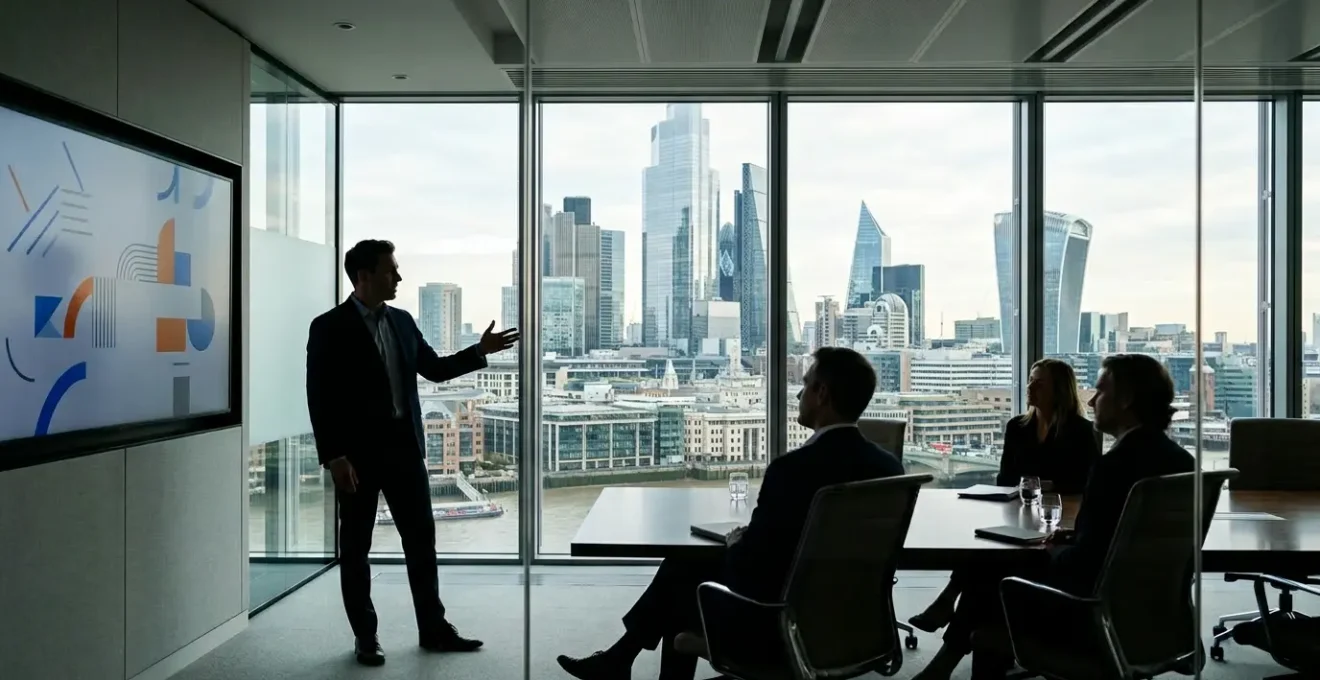
Securing funding from a London agency isn’t about selling a creative vision; it’s about presenting a de-risked financial instrument.
- Your storyboard’s primary function is to prove commercial viability and mitigate investment risk, not just illustrate shots.
- Strategic communication, including the timing of your animatic and the use of industry « credibility signifiers, » is more critical than artistic flair.
Recommendation: Treat your pitch not as a creative review, but as a boardroom presentation where every visual element must justify its cost and contribute to the final ROI.
In the high-stakes world of London’s commercial production, many talented directors believe the strength of their idea alone will unlock agency funding. They spend weeks refining a script, convinced of its brilliance, only to falter at the final hurdle: the pitch. The common advice is to « visualise your idea » with storyboards, to make things « clear » for the client. But this advice misses the fundamental truth of the city’s commercial mindset. Skeptical investors and seasoned agency producers aren’t looking for art; they’re looking for certainty.
The real challenge isn’t demonstrating creativity, it’s mitigating perceived risk. They’ve seen countless « brilliant » ideas evaporate under the pressure of a shoot, costing thousands in overruns. Therefore, the conversation you need to be having isn’t about narrative arcs, but about financial prudence and executional excellence. The storyboard is your primary tool in this negotiation, but not in the way you might think. What if its true purpose wasn’t to show the story, but to prove the budget is sound, the team is professional, and the investment is safe?
This guide reframes the storyboard from a simple creative asset into a strategic financial instrument. We will dissect the architecture of a pitch that secures funding, focusing on the commercial subtext, the psychological timing of your presentation, and the subtle signals of credibility that turn doubt into a signed contract. We will move beyond the craft of drawing and into the science of persuasion, tailored specifically for the demanding UK market.
To navigate this complex process effectively, this article breaks down the essential strategies into a clear, sequential path. Each section addresses a critical component of building and presenting a pitch that not only showcases your vision but, more importantly, builds the investor confidence necessary to get it made.
Summary: A Strategic Guide to Pitching Storyboards for Funding
- Why Skipping Professional Storyboarding Costs You £2,000 per Shooting Day?
- How to Break Down a Script into a Shot List Without Losing Narrative Flow?
- Hand-Drawn vs Digital Storyboards: Which Suits a £10k Commercial Budget?
- The Communication Error That Ruins 40% of Client Validations
- When to Present the Animatic: The Critical Timing for Stakeholder Buy-In
- The Copyright Trap That Could Cost Your Company £20,000 in Fines
- Why Do Clients Take You More Seriously When You Show Up with an Arri?
- Why Does a £5,000 Brand Video Outperform Cheap Content by 300% in ROI?
Why Skipping Professional Storyboarding Costs You £2,000 per Shooting Day?
In the world of commercial production, the phrase « we’ll figure it out on the day » is the most expensive in the English language. Skipping or rushing pre-production, particularly storyboarding, isn’t a cost-saving measure; it’s a high-stakes gamble. The logic is simple: ambiguity on paper translates into chaos on set. A single hour of indecision with a full crew—director, DP, gaffer, grips, talent—can easily burn through £1,000 or more. A poorly planned shot that requires a location reset or significant lighting changes can derail a schedule, pushing costs spiralling upwards of £2,000 per day in lost time and overtime pay.
Professional storyboarding acts as a form of insurance against this chaos. It forces every key stakeholder to confront and agree upon the visual language of the project before the clock is ticking on set. It’s the blueprint that allows the production manager to schedule with precision, the DP to plan their lighting rigs, and the art department to prepare props. In financial terms, a well-executed storyboard is a risk mitigation tool. While analysis shows that pre-production typically accounts for 10-20% of a total budget, that investment directly protects the other 80% from inefficiency and waste.
When you present a thorough storyboard to an investor, you aren’t just showing them pictures. You are demonstrating fiscal responsibility. You are signalling that you are a professional who understands that time is money and that their investment will be managed with meticulous care, not creative whimsy. The cost of a professional storyboard artist is insignificant compared to the cost of a single mismanaged shooting day. That is the argument that resonates in a boardroom.
How to Break Down a Script into a Shot List Without Losing Narrative Flow?
Translating a script into a shot list is a mechanical process; translating it into a compelling storyboard requires an understanding of narrative architecture. A common mistake is to simply list shots chronologically. This approach often results in a visually dull and emotionally flat sequence. The key is to deconstruct the script not by its scenes, but by its emotional beats. Ask yourself: What is the core feeling or piece of information the audience must grasp in this moment? Is it tension, relief, curiosity, or confidence? Your shot selection—a tight close-up, a wide establishing shot, a Dutch angle—must serve that emotional purpose first and foremost.
Instead of a linear list, think of it as mapping an emotional journey. For a 30-second commercial, you might identify 5-7 key beats. Your storyboard should be built around these peaks and valleys. A shot list documents the ‘what’; the storyboard communicates the ‘how’ and ‘why’. It’s the difference between a list of ingredients and a recipe. This process ensures that every frame has a purpose and contributes to the overall narrative momentum, preventing the final product from feeling like a disjointed collection of pretty images.

This visual map of the story’s pulse becomes an invaluable tool during the pitch. You can walk the client through the emotional journey, explaining *why* a particular shot is chosen to evoke a specific feeling. This elevates the conversation from a technical review to a strategic discussion about audience engagement. It shows you’re not just a technician, but a storyteller who understands how to manipulate the medium to achieve a desired commercial outcome, which is the language investors understand.
Hand-Drawn vs Digital Storyboards: Which Suits a £10k Commercial Budget?
The choice between hand-drawn and digital storyboards is less an artistic one and more a strategic decision dictated by budget, timeline, and brand perception. For a lean £10,000 commercial budget, every pound must be justified. The idea that hand-drawn is « cheaper » is a dangerous oversimplification. While a single frame might be less expensive, revisions—which are inevitable—require complete redraws, causing costs and timelines to swell. Digital storyboards, while potentially having a higher initial frame cost, offer unparalleled flexibility for rapid, real-time edits during a client session.
For the UK market, where creative time is a premium, efficiency is paramount. As a benchmark, remember that good UK storyboard artists typically charge £275-350 per day. A project requiring extensive revisions can quickly make a « cheaper » hand-drawn option the more expensive one. The decision should be based on the project’s specific needs. A campaign for an organic, artisanal brand might benefit from the perceived authenticity of a hand-drawn style. Conversely, a tech or automotive brand would likely be better represented by the clean, precise aesthetic of digital boards, which can also be more easily converted into an animatic.
The following table, based on industry analysis, breaks down the key commercial differences. It’s a pragmatic tool for making a financially sound decision that you can defend to your client.
| Aspect | Hand-Drawn | Digital |
|---|---|---|
| Cost per frame | £10-50 | £30-150+ |
| Revision speed | Slower, requires redrawing | Fast, real-time edits |
| 60-frame project cost | £600-3,000 | £1,800-9,000 |
| Best for | Authentic, human-centric brands | Tech-forward, dynamic campaigns |
| Turnaround time | 3-5 days typical | 1-3 days typical |
Ultimately, for a £10k budget, the smart money is often on a hybrid approach: simple, quick digital sketches for internal alignment and client approval, reserving any detailed or stylized frames for the most critical « hero » shots. This demonstrates both creative vision and, more importantly, budgetary acumen.
The Communication Error That Ruins 40% of Client Validations
The single most destructive error in a storyboard pitch is not a poorly drawn frame, but a failure of communication architecture. Many directors make the mistake of emailing a PDF of the boards and waiting for feedback, or simply clicking through a slideshow frame by frame with a monotone description. This passive approach invites misinterpretation, nitpicking, and a complete loss of emotional momentum. You are not presenting a document; you are conducting a performance designed to build confidence.
The most effective strategy is to control the narrative from the very first second. As one of the most effective best practices suggests, pairing the storyboard visuals with a confident, well-paced script reading paints the clearest and most engaging picture. Start by setting the stage: introduce the core concept and the business problem it solves. Then, reveal only the first one or two frames to anchor the visual world. Read the corresponding script with energy. This creates a « narrative hook » that leaves the client wanting to know what happens next, transforming them from passive observers into engaged participants.
This method prevents the client from getting lost in minor details on frame 17 while you are still on frame 3. It ensures everyone is on the same page, emotionally and intellectually, throughout the pitch. You control the flow of information and emotion, guiding them to the intended conclusion. A successful pitch is a masterclass in managed expectations and theatrical pacing. By turning the review into an experience, you replace scrutiny with excitement and build the buy-in needed for a swift, enthusiastic sign-off.
Action Plan: Avoiding Critical Pitch Presentation Mistakes
- Show, Don’t Just Tell: Always present storyboards visually. A verbal pitch alone is abstract and fails to secure concrete approval on the visual direction.
- Detail the Execution: Use the boards to map out and confirm key technical details: specific camera angles, lighting approaches, and critical transitions. This demonstrates executional foresight.
- Structure the Feedback: Don’t ask « What do you think? ». Instead, guide the review with specific questions and ensure all key stakeholders provide their input before you proceed to revisions.
- Clarity Over Artistry: The purpose of pitch boards is planning and alignment. Keep sketches simple but unambiguous. An overly « artistic » board can distract from the core idea.
- Annotate Everything: Each frame should include brief notes on dialogue, sound design, or key actions. These annotations eliminate ambiguity and serve as a written record of what was agreed upon.
When to Present the Animatic: The Critical Timing for Stakeholder Buy-In
The animatic—a timed sequence of storyboard frames paired with a scratch track of audio—is the most powerful weapon in your pitching arsenal. But its power lies in its deployment. The rookie mistake is to open with it, hoping to « wow » the client from the start. This is strategically flawed. An animatic presented too early, without context, is just a rough-looking cartoon. The client, not yet invested in the world or the characters, will focus on the crude drawings and missed timing, rather than the core idea. You lose control of the narrative.
The correct approach is to use the animatic as your show-stopping finale. First, you must build the intellectual foundation. As industry wisdom dictates, you must first earn their intellectual agreement before you can win their emotional commitment.
Do not open with the animatic. First, walk through the static boards, build the world, and get intellectual buy-in. Then, play the animatic to deliver the final emotional payoff and seal the deal. It’s the show-stopper, not the opener.
– Industry Best Practice, Article Analysis
Walk them through the static frames as discussed previously. Let them appreciate the thought behind each composition, the logic of the narrative flow. Get their heads nodding in agreement. Once you have secured this intellectual buy-in, and only then, do you unveil the animatic. At this point, they are already on board with the concept. The animatic ceases to be a rough draft and becomes the first breath of life in an idea they already approve of. It provides the rhythm, the pacing, and the emotional punch that transforms their intellectual agreement into genuine excitement. It’s the moment the project feels real.
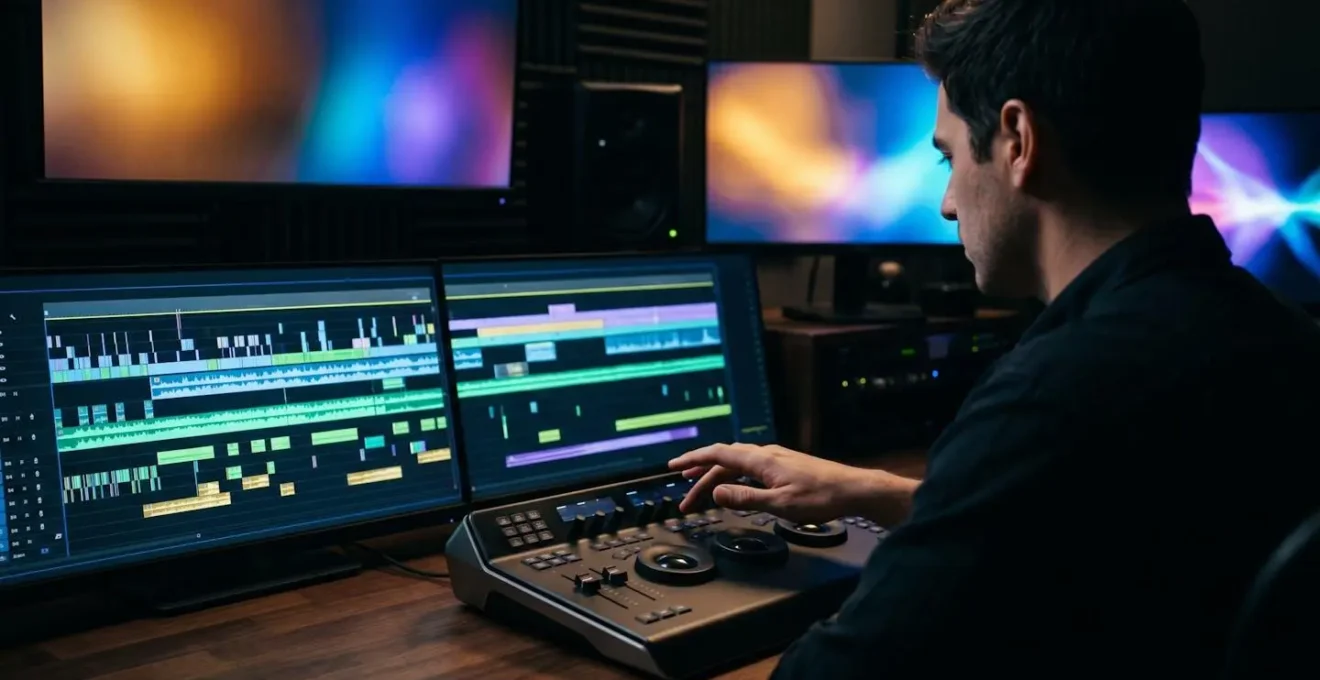
Timing the reveal of the animatic is not a matter of preference; it is a calculated psychological tactic. By holding it back, you build anticipation and ensure it lands with maximum impact, cementing the client’s confidence and leaving them with one final, powerful impression: « I want to see this made. »
The Copyright Trap That Could Cost Your Company £20,000 in Fines
In the excitement of the creative process, legal diligence is often the first casualty. For a freelance director or a small production company, this is a catastrophic oversight. Investors and agencies are acutely aware of these risks, and a pitch that appears legally naive is a major red flag. The most common « copyright trap » isn’t about the storyboard drawings themselves, but the elements you incorporate into them. Using a « temp track » from a famous artist, pulling a reference image from a Google search, or even using a specific font without the correct commercial license can create a legal time bomb.
Imagine pitching a commercial using a popular song. The client loves it and signs off. Now, you are contractually obligated to deliver a final product with that « vibe, » but the licensing fee for that song is £50,000—five times your entire production budget. This is not a hypothetical; it happens. The same applies to stock photos used as mood references, talent likenesses, or even architectural designs visible in a location scout photo. A single infringement claim can easily lead to fines or settlement costs upwards of £20,000, not to mention the reputational damage and the complete loss of your client’s trust.
A professional pitch anticipates these issues. Every element must be « cleared » or clearly marked as « For Reference Only. » Your budget should reflect the real-world costs of music licensing, talent buyouts, and stock footage. Experienced producers know that unforeseen issues are a part of any production, which is why many industry professionals recommend adding a buffer of 25% to the budget as a contingency. Demonstrating that you have factored in these legal and financial safeguards shows a level of maturity and professionalism that separates you from the amateurs. It tells the investor that you are not just a creative, but a responsible business partner dedicated to protecting their investment.
Why Do Clients Take You More Seriously When You Show Up with an Arri?
In a pitch, you are selling two things: the project and yourself. The latter is often more important. Sceptical investors are evaluating your ability to execute at a high level, and they rely on subtle cues to make that judgment. Mentioning that you plan to shoot on an « Arri with Cooke lenses » is one of the most potent of these cues. Does the client truly understand the difference in sensor latitude between an Arri Alexa and a Blackmagic? Almost certainly not. But they don’t have to.
This is about the power of credibility signifiers. In a world of jargon and technical complexity, brand names become a shortcut for quality and professionalism. It is a concept that extends beyond mere equipment choice; it is a linguistic signal that you operate in a specific professional tier.
Gear as a ‘Credibility Shortcut’: Mentioning ‘Arri’ or ‘Cooke’ isn’t about the tech itself; it’s a linguistic signifier that you operate at the highest professional level.
– Industry Analysis, Professional Equipment Psychology
By name-dropping top-tier equipment, you are implicitly communicating several things: you have experience with professional workflows, you have access to high-end rental houses and the crews that operate them, and you have the confidence to manage a premium production. It instantly elevates you from a « filmmaker » to a « professional director. » It’s the same psychological principle as a lawyer wearing a bespoke suit or an architect presenting blueprints from a specific, high-end firm. It’s a non-verbal signal that you belong.
This is not about being a gear-head; it’s about speaking the language of confidence. During your pitch, casually mentioning your intended camera and lens package signals that you have already moved past the creative « what if » stage and are deep into the practicalities of execution. It tells the investor that you are not an artist with a dream, but a commander with a plan. In the risk-averse environment of commercial funding, that distinction is everything.
Key Takeaways
- Storyboards are financial instruments designed to de-risk investment, not just creative tools.
- The most effective pitch structure builds intellectual buy-in with static frames before delivering an emotional payoff with the animatic.
- Credibility is built on subtle signals, from demonstrating fiscal responsibility and legal diligence to using « credibility signifiers » like high-end equipment brands.
Why Does a £5,000 Brand Video Outperform Cheap Content by 300% in ROI?
It’s tempting for a client to balk at a £5,000 budget for a short brand video when freelance platforms are flooded with offers to do it for a tenth of that price. The critical task for a director in a pitch is to reframe this conversation from cost to investment. The 300% outperformance in Return on Investment (ROI) isn’t a made-up number; it’s the logical outcome of a professionally managed pre-production process. A higher budget doesn’t just buy a « prettier » video; it buys a more effective commercial asset.
Where does the money go? It goes into the meticulous planning we’ve discussed. It buys the time for a professional storyboard artist to translate the script into a powerful emotional journey. It allows for the creation of a polished animatic that ensures the pacing is perfect before a single frame is shot. It funds the hiring of A-list talent whose subtle performance can make a brand feel authentic, not staged. It secures a seasoned Director of Photography who understands how to use light to create a mood that resonates with the target audience. Each of these elements contributes directly to a more engaging and persuasive final product.
A « cheap » video cuts these corners. The result is often a generic, poorly lit, and emotionally flat piece of content that fails to capture audience attention or build brand trust. It gets lost in the noise. The £5,000 video, built on a solid strategic foundation, is engineered for performance. It’s more likely to be shared, more likely to convert viewers into customers, and more likely to enhance brand perception. The initial « saving » on a cheap video is a false economy, because an asset that delivers zero return is infinitely more expensive than one that delivers 300% ROI. Your pitch, backed by a thorough storyboard and a clear plan, is the proof of this principle in action.
Your job is to guide the investor from focusing on the line-item cost to envisioning the exponential return. By presenting a de-risked, professionally architected plan, you make the £5,000 investment feel not like an expense, but like the most logical and profitable decision they can make.