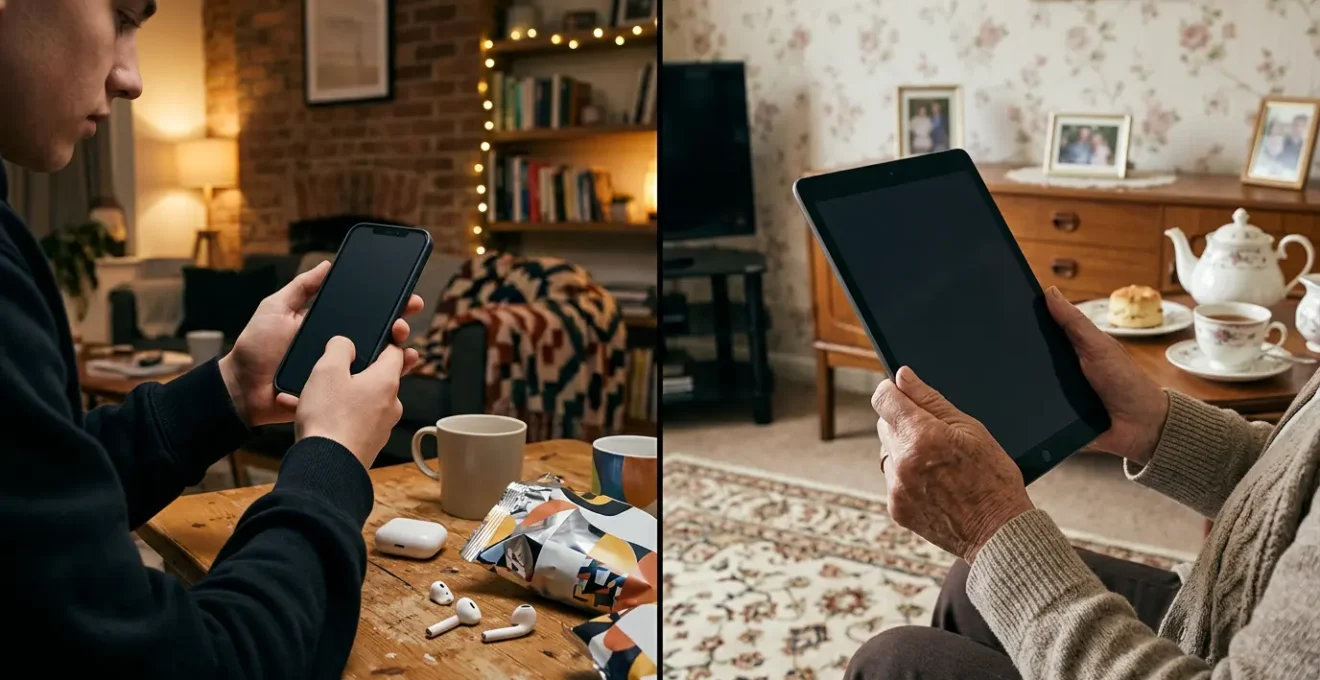
The key to multi-generational video success isn’t just speed—it’s matching your content’s ‘information density’ to the unique cognitive filters of each age group.
- Gen Z doesn’t have a short attention span; they have a highly efficient 1.5-second filter for value. Your video must provide an immediate signal of worth.
- Older audiences, particularly in B2B, use pacing as a trust metric. A slower, fact-based approach builds credibility where high-speed edits would erode it.
Recommendation: Audit your video strategy not for speed, but for its alignment with the target generation’s information processing style. High density for digital natives, high trust for experienced decision-makers.
As a content strategist, you’ve likely faced the paradox of modern video marketing: a meticulously crafted campaign resonates perfectly with one demographic while completely failing with another. The common advice is to simply « speed things up for Gen Z » and « slow it down for Boomers. » This is a dangerous oversimplification. The issue isn’t a universal deficit of attention, but a fundamental divergence in how different generations process information. While most marketers focus on tactical tweaks like clip duration, they ignore the strategic core of the problem.
The standard playbook suggests using trending audio for younger viewers and clear, descriptive narration for older ones. But this only scratches the surface. What if the true variable isn’t the pace itself, but what that pace signals? For a digital native, rapid cuts signal high information density and efficiency. For a seasoned B2B decision-maker, that same pace signals a lack of substance and trustworthiness. The failure to grasp this distinction is why so many videos miss the mark, resulting in high bounce rates and low conversions.
This article reframes the challenge. We will move beyond the platitude of « short attention spans » and introduce a more powerful framework: aligning your video’s structure with the distinct cognitive filtering systems of each generation. It’s not about making videos faster or slower; it’s about making them smarter. We will explore why Gen Z’s content consumption is a feat of efficiency, not a flaw, and how to build trust with older audiences by using pacing as a strategic tool. You will learn to craft content that speaks the implicit language of each demographic, from subtitle design to the structure of your call to action.
This guide provides a strategic blueprint for UK content strategists to navigate the complex landscape of generational video marketing. By understanding the underlying principles of information density and cognitive trust, you can create campaigns that connect authentically and effectively, regardless of the target audience’s age.
Summary: A Strategic Guide to Generational Video Pacing
- Why Gen Z Scrolled Past Your Video in 1.5 Seconds?
- How to Design Subtitles for Seniors vs Digital Natives?
- Emotional Storytelling or Fact-Based Specs: Which Converts B2B Decision Makers?
- The Copywriting Mistake That Makes Brands Look « Cringe » to Young Viewers
- When to Post to Reach Commuters vs Stay-at-Home Parents in the UK?
- Why Do 60% of Viewers Abandon Your Sales Video Before the Call to Action?
- Educational Value or Hard Pitch: Which Works Better for UK B2B Audiences?
- How to Craft a Video CTA That Converts Cold Traffic into Leads?
Why Gen Z Scrolled Past Your Video in 1.5 Seconds?
The prevailing myth is that Gen Z possesses an « eight-second attention span. » This framing is fundamentally flawed. It’s not a deficit of attention; it’s a highly evolved, hyper-efficient cognitive filtering system. Growing up in a saturated media environment, this generation has mastered the art of assessing a content’s value proposition in milliseconds. If your video doesn’t provide an immediate signal of entertainment, education, or emotional resonance within the first 1.5 seconds, it’s discarded. They aren’t losing focus; they are making a rational decision to allocate their attention elsewhere.
Data supports this model of efficiency over inability. While research indicates the average attention span per social media post is now a mere 6.5 seconds per post, this is a measure of filtering, not engagement capacity. The proof lies in completion rates for content that passes the initial filter. For example, a case study on TikTok revealed a 76.4% completion rate for videos under 15 seconds. This demonstrates that once a video signals its worth, Gen Z is more than willing to watch it to completion. The challenge isn’t holding their attention; it’s earning it in the first place.
Therefore, your pacing strategy for Gen Z should be front-loaded with value. This means abandoning traditional narrative arcs with slow-building introductions. Instead, use a « hook, value, proof » structure. The initial frames must contain the most visually arresting, emotionally charged, or curiosity-inducing element of your entire video. Think of it as delivering the punchline first. This high information density from the outset is the key to passing their cognitive filter and earning the right to the remaining 13.5 seconds of their time.
How to Design Subtitles for Seniors vs Digital Natives?
In the UK’s mobile-first video landscape, subtitles are no longer an accessibility afterthought; they are a primary component of content delivery. With UK research revealing that 92% watch with sound off and 50% rely on captions, designing effective subtitles is critical. However, a one-size-fits-all approach fails because different generations have vastly different needs regarding on-screen text. What constitutes clarity for a Boomer can be perceived as boring by a Gen Z viewer, and what is dynamic for Gen Z can be illegible for a Boomer.
For digital natives, subtitles can be an integrated, dynamic part of the viewing experience. They are accustomed to processing multiple streams of information simultaneously. Therefore, you can use:
- Dynamic Typography: Animated text, colour changes, and kinetic effects that emphasize keywords can increase engagement.
- High Words-Per-Minute (WPM): Pacing can be faster, around 180-200 WPM, aligning with their rapid content consumption.
- Stylistic Fonts: While still legible, fonts can have more personality and be part of the brand’s visual identity.
For older audiences, including Gen X and Boomers, the primary function of subtitles is clarity and readability. Their cognitive focus is on understanding the message without strain. Here, the priorities are:
- High Contrast and Sans-Serif Fonts: Maximise legibility with clear, simple fonts (like Helvetica or Arial) against a solid, contrasted background.
- Controlled Reading Speed: A slower pace of 120-150 WPM ensures the text is comfortable to read and absorb.
- Positional Consistency: Keep subtitles in a fixed, predictable location (typically lower-middle) to avoid cognitive friction.
This visual below contrasts the two approaches, showing how typography itself can be tailored to either enhance a dynamic experience or ensure maximum legibility, depending on the target generation.

Ultimately, all subtitle design must adhere to fundamental accessibility principles, such as those outlined by the W3C, to ensure compliance and a baseline of usability for everyone. However, optimising above this baseline requires a generational understanding. The goal is to make subtitles a seamless part of the experience, whether that means making them an engaging visual layer or a perfectly invisible conduit for information.
Emotional Storytelling or Fact-Based Specs: Which Converts B2B Decision Makers?
In the UK B2B landscape, especially on platforms like LinkedIn, video has become a powerful tool. In fact, recent benchmarks show that LinkedIn video posts achieve a 5.60% engagement rate and generate five times more conversations than text-based content. The critical question for strategists is what *type* of video converts a busy decision-maker. Should the pacing be driven by an emotional narrative or a logical presentation of facts and specifications?
The answer depends on the generation of the decision-maker and their stage in the buying funnel. It’s a mistake to assume B2B is purely rational. Younger decision-makers (Millennials and increasingly Gen X) often respond to an « Emotional Wrapper » strategy. This approach uses storytelling and emotional resonance to build brand affinity at the awareness stage. The facts and specs are present, but they are wrapped in a narrative that connects to the buyer’s personal or professional aspirations. This isn’t about ignoring data; it’s about making the data *feel* important.
Conversely, older decision-makers (Boomers), especially those in finance or technical roles, often prioritise a direct, fact-based approach. For them, pacing is a trust metric. A slow, deliberate presentation of specifications, ROI calculations, and case study data signals respect for their analytical process. Rushing this with overly emotional or fast-paced content can be perceived as a lack of substance and erode credibility. The key is to match the content’s structure to the viewer’s evaluation criteria.
The following table, based on recent UK inbound marketing analysis, breaks down the performance of each approach, highlighting how a hybrid model is often most effective for multi-generational buying committees.
| Approach | Conversion Rate | Best Use Case | UK Preference |
|---|---|---|---|
| Emotional Wrapper Strategy | 70% increase | Awareness Stage | Preferred by Millennials |
| Fact-Based Specs | 17% for 30-60min | Consideration Stage | Preferred by Boomer CFOs |
| Hybrid Approach | 86% higher MQL rates | Full Funnel | Multi-generational committees |
The most sophisticated B2B video strategies use a hybrid approach. They might lead with an emotional hook to capture attention across the board, then transition into a more measured, fact-based pace to build a logical case, and finally close with an emotional call-to-action that summarises the benefit. Pacing is not static; it should modulate throughout the video to appeal to both the rational and emotional needs of the modern B2B buyer.
The Copywriting Mistake That Makes Brands Look « Cringe » to Young Viewers
The single biggest mistake brands make when trying to connect with Gen Z is mistaking slang for authenticity. Forcing trendy terms or memes into corporate messaging is the fastest way to be labelled « cringe. » True authenticity, for this generation, is not about the words you use, but the context you create. It’s about signalling that you are part of the community, not an outsider trying to sell to it. This is where lo-fi, unpolished content often outperforms slick, high-budget productions.
This preference for raw, user-centric content is a core authenticity signal. It communicates that the brand values genuine connection over a perfect corporate image. As experts from UCAS, the UK’s university admissions service, note when advising on how to connect with this demographic, this style allows brands to create content that doesn’t feel like an ad. This insight is crucial for video copywriting and pacing.
Lo-fi content is often more effective. It’s raw and unpolished on purpose and allows brands to create ads that don’t feel like ads
– UCAS, How to capture the eight-second attention span of Gen Z
The data proves this point. On platforms like TikTok, the context of community is a powerful driver of commercial behaviour. A revealing case study shows that Gen Z’s online purchases on TikTok are 1.8x more likely to be motivated by community compared to purchases made directly from brand websites. This means video copy that fosters a sense of shared experience, inside jokes, or peer-to-peer recommendation will be far more effective than a direct sales pitch. The pacing should feel organic and conversational, mirroring the rhythm of user-generated content, not a broadcast commercial.

To avoid the « cringe » factor, your video script and on-screen text should prioritise empathy and value over persuasion. Instead of saying « Our new product is amazing, » show a real user’s reaction. Instead of listing features, frame them as solutions to problems the community genuinely faces. The pacing should be relaxed and human, with pauses and imperfections that feel real. This approach builds trust and makes the brand feel like a participant in the culture, not an intruder.
When to Post to Reach Commuters vs Stay-at-Home Parents in the UK?
Creating perfectly paced, generationally-tuned video content is only half the battle. If it’s delivered at the wrong time, its impact is lost. For a UK audience, with its diverse work patterns and lifestyles, a generic posting schedule is ineffective. You must align your distribution with the specific « scroll windows » of your target segments, such as hybrid-working commuters and stay-at-home parents. This is especially true on platforms like TikTok, where UK users are incredibly active, spending an average of nearly 49 hours and 29 minutes per month on the app.
Commuters, especially those in hybrid roles, have predictable moments of content consumption. Their primary scroll windows are during their journeys to and from the office. This is the ideal time for short, sharp, sound-off content that is easily digestible on a crowded train or bus. Stay-at-home parents, on the other hand, have a rhythm dictated by the school day. Their key media moments are often the brief periods of downtime after the school run or during a child’s nap time.
Understanding these distinct daily rhythms allows you to tailor your posting schedule for maximum reach and engagement. Longer-form, educational content might be better reserved for the « sofa scroll » on a Sunday evening, a time when many demographics are more receptive to deeper dives. To put this into practice, content strategists should move away from broad « best times to post » and towards a persona-based schedule. The following checklist provides a UK-specific framework for timing your video releases.
Your UK Video Posting Timetable: A Strategic Checklist
- Target the Commute: Schedule short-form, high-impact videos for Tuesday-Thursday between 7:30-9:00 and 17:30-19:00 to catch hybrid workers.
- Capture the School Run Window: Post content geared towards parents between 8:30-9:15 and 15:00-16:00, when they have a moment to scroll.
- Own the Lunch Break: The 12:00-13:30 peak is a universal scroll window. Use this slot for content with broad appeal across your demographics.
- Plan for the Evening Wind-Down: Reserve longer, more narrative-driven content for the Sunday 19:00-22:00 « sofa scroll » slot.
- Align with Generational Peaks: Factor in specific platform habits, such as Gen Z’s late-night peak (21:00-23:00) on TikTok and Boomers’ mid-morning preference (10:00-11:00) on Facebook.
By mapping your content delivery to the real-world schedules of your UK audience, you ensure that your carefully paced videos are seen by the right people at the moment they are most receptive. This transforms your posting schedule from a tactical afterthought into a strategic advantage.
Why Do 60% of Viewers Abandon Your Sales Video Before the Call to Action?
A high abandonment rate before the call to action is one of the most frustrating metrics for a content strategist. The cause is often misdiagnosed as poor content or a weak offer. In reality, the primary culprit is a mismatch between the video’s pacing and the audience’s cognitive capacity. In an era where general attention spans are now at just 8.25 seconds, viewers make ruthless decisions about whether a video respects their time. If the pacing is too slow and the value isn’t delivered upfront, they will leave without hesitation.
This is not just a B2C phenomenon. The UK B2B audience, often perceived as having more patience, is equally demanding of concise, well-paced content. Their time is their most valuable asset, and a video that meanders without a clear purpose is seen as disrespectful. An analysis of LinkedIn video performance underscores this point dramatically. A case study found that content under 30 seconds achieves 200% higher completion rates than longer formats. For maximum engagement, the recommendation is to keep LinkedIn videos under an extremely brief 15 seconds.
The « value curve » of your video is therefore critical. Most marketers structure their videos with a slow build, saving the core message or offer for the middle or end. This is a recipe for abandonment. An effective video front-loads the value. The first few seconds must answer the viewer’s implicit question: « What’s in it for me? » Pacing issues that lead to abandonment include:
- Lengthy Branding Intros: Animated logos and brand stings that last more than 1-2 seconds are a primary cause of drop-off.
- Slow Exposition: Spending too much time setting a scene or explaining the problem without hinting at the solution.
- Mismatched Information Density: Presenting simple information at a slow pace bores the viewer, while presenting complex data too quickly causes cognitive overload and frustration.
To fix a high abandonment rate, audit your video’s first 15 seconds ruthlessly. Is the core promise clear? Is the visual pace energetic enough to signal value without being jarring? By treating the beginning of your video as the most valuable real estate, you can dramatically increase the number of viewers who actually make it to your call to action.
Educational Value or Hard Pitch: Which Works Better for UK B2B Audiences?
For UK B2B audiences, particularly experienced decision-makers, trust is the currency of conversion. A hard pitch delivered too early, with a pace that feels rushed and transactional, is often rejected. These buyers are not looking to be sold to; they are looking for partners who can help them solve complex problems. This is why content that provides genuine educational value consistently outperforms purely promotional material. It’s a fundamental principle of building authority.
The data from professional networks validates this approach. A significant study conducted by LinkedIn in partnership with Edelman found that 64% of B2B decision-makers favour thought leadership content over promotional marketing when making purchasing decisions. This means your video’s primary goal should be to teach, not to sell. The pacing should reflect this educational mission: it should be measured, logical, and structured to build understanding step-by-step. This slower, more deliberate pace acts as a trust metric, signalling that you respect the viewer’s intelligence and are invested in their success, not just your sale.
An effective framework for UK B2B video content is the 80/20 rule, where the vast majority of the video is dedicated to building a case through education. This insight from industry analysis provides a clear strategic directive for content pacing.
A successful UK B2B video is 80% education, where the pace and content of the education systematically build the case for the pitch
– Industry Analysis, UK B2B Video Marketing Best Practices
This means structuring your video around a core teaching point. Start by identifying a common pain point or knowledge gap within your target industry. Use the first 80% of your video to deconstruct this problem and offer a valuable, actionable insight. The pacing here should be confident and clear, using graphics and on-screen text to reinforce learning. Only in the final 20% of the video, once you have established credibility and delivered value, do you introduce your product or service as the logical next step to implementing the solution you’ve just taught. This patient, value-first approach turns a sales video into a trusted resource, dramatically increasing its effectiveness with discerning B2B audiences.
Key Takeaways
- Generational pacing is not about speed, but about matching ‘information density’ to the viewer’s cognitive style.
- Subtitles must be adapted: dynamic and integrated for Gen Z, high-contrast and clear for Boomers.
- Authenticity for young audiences is signalled through lo-fi production and community-centric copy, not forced slang.
How to Craft a Video CTA That Converts Cold Traffic into Leads?
The final five seconds of your video are often the most critical, yet they are where many strategies fall apart. The call to action (CTA) is the bridge between passive viewership and active engagement. A poorly paced or misaligned CTA can negate all the hard work that came before it. For UK audiences, especially on a high-intent platform like LinkedIn where audiences are 6x more likely to convert, crafting the perfect CTA is paramount. The pacing of the CTA itself must be tailored to the « friction » of the request.
A « low-friction » CTA, such as ‘Download the PDF’ or ‘Learn More’, requires little commitment from the viewer. For these, you can use an « Acceleration Ramp. » In the final 10 seconds, the editing pace can speed up slightly, the music can build, and the on-screen text can be more dynamic. This creates a sense of momentum and makes the simple click feel like a quick, easy win. The CTA should appear on screen for a brief 1-2 seconds on a platform like TikTok, or a more generous 5-7 seconds on a YouTube pre-roll ad.
Conversely, a « high-friction » CTA, like ‘Book a Demo’ or ‘Request a Quote’, asks for the viewer’s time and personal information. For these, a « Deceleration Ramp » is more effective. The pace of the video should slow down in the final moments. The music becomes calmer, the editing smooths out, and the visual focus is on a clear, reassuring message. This builds trust and reduces anxiety around the commitment. It’s also vital to add reassuring microcopy, such as ‘100% free, no credit card needed,’ which is particularly effective for skeptical UK audiences. The language should also be softened; a friendly ‘Let’s schedule a brief chat’ often outperforms an aggressive ‘Buy Now!’.
By modulating the pace of your CTA to match the level of commitment you’re asking for, you align your video’s conclusion with the viewer’s psychological state. This thoughtful approach to the final moments is the key to turning cold traffic into qualified leads, ensuring your video doesn’t just get views, but drives tangible business results.
To effectively implement these generational insights, the next logical step is to audit your current video content against these pacing and messaging benchmarks, identifying opportunities to better align with the cognitive styles of your key UK audiences.